








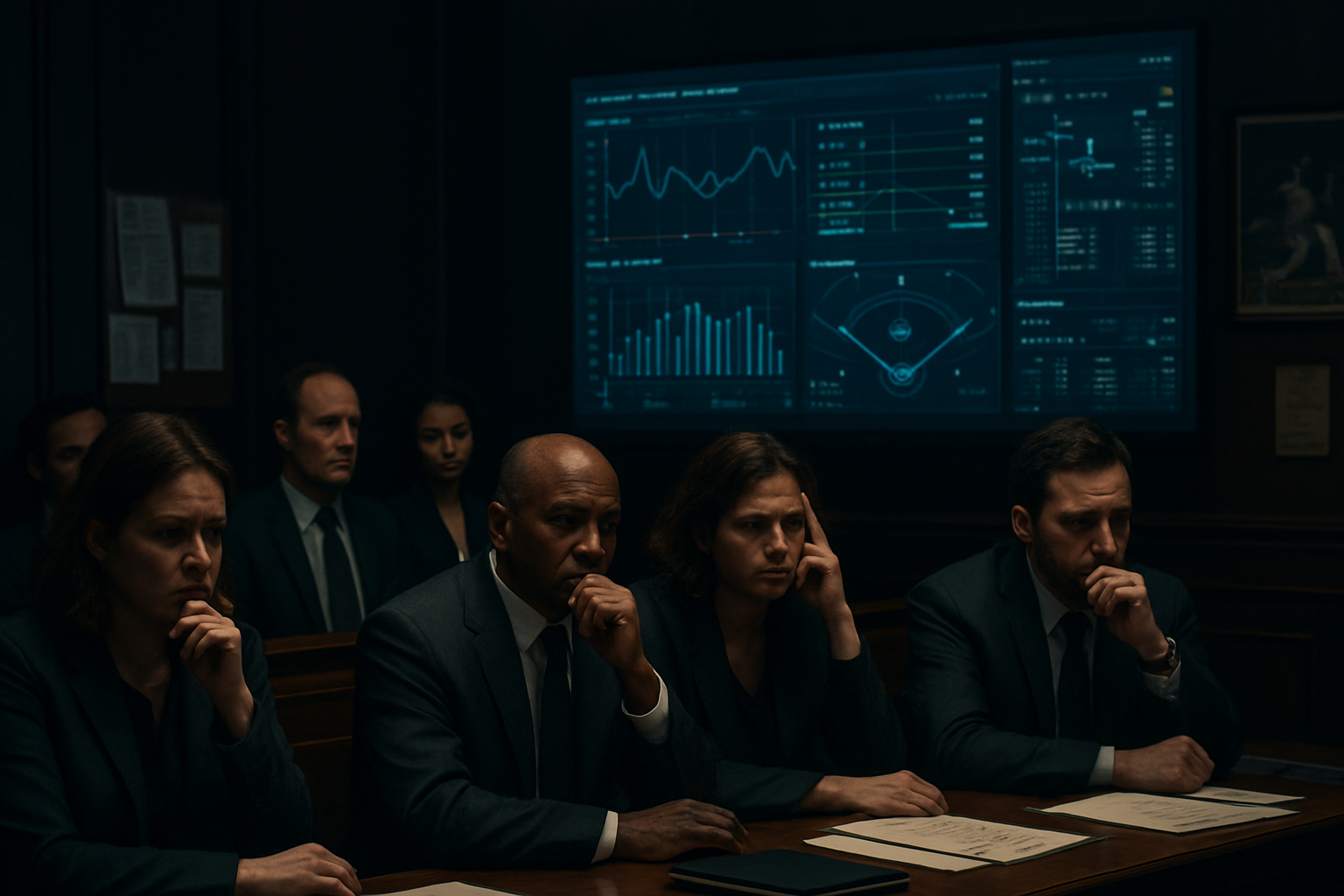
Testimony and evidence presented in the Emmanuel Clase trial have brought to light the intricate connection between insider information and sports betting losses. Jurors in Brooklyn are reviewing how advanced knowledge about pitch outcomes allegedly influenced betting activity and caused significant financial losses for bettors, further sparking discussion about regulatory oversight and integrity in the US sports betting industry.
Microbetting Losses Linked to Advanced Pitch Information
One of the focal points in the trial involves a now-viral strike by Los Angeles Dodgers outfielder Andy Pages against Cleveland Guardians pitcher Emmanuel Clase. With thousands of dollars wagered in microbets on the outcome of that single pitch, bettors were left frustrated as Pages struck out, many losing substantial amounts. According to testimony, a Dominican Republic native in New York lost $4,000—his second major loss tied to Clase within two years.
Prosecutors allege that Clase and fellow pitcher Luis Ortiz provided confidential information about upcoming pitches to a circle of bettors. Enthony Enthony Diaz, a government witness, described receiving such information, which was considered a “sure thing” by those involved. While Diaz lost money on bets involving Pages, he reportedly profited over $30,000 from wagers related to Ortiz, highlighting the potential impact of inside knowledge on betting outcomes.
FBI Evidence and Betting Records Entered in Court
FBI Special Agent Noah Bilger detailed the records of numerous bets placed on the May 2025 pitch to Pages. The courtroom saw spreadsheets documenting more than a dozen bets, all resulting in losses that totaled $11,028. This data, combined with geolocation analysis from FBI Special Agent Richard Busick, tied key individuals to relevant locations and digital activity, such as app usage at Clase’s residence.
The trial also spotlighted the role of regulated US sportsbooks, including DraftKings, FanDuel, ESPN BET, and Caesars Sportsbook, where the tracked wagers occurred. The evidence underlines the ongoing challenge for operators in detecting and preventing manipulation attempts within sports betting platforms.
Witness Credibility and Regulatory Implications
The reliability of witnesses has been a recurring theme. Defense attorneys questioned Diaz’s credibility, referencing his admitted bank fraud and prior financial offenses. Another figure, Enoc Pena, signed a cooperation agreement with the government but has faced scrutiny for alleged misstatements on financial and immigration documents.
While the prosecution maintains that inside information led to substantial bettor losses and gains, the defense argues that pitchers were unaware of any scheme, asserting that Pena sold false information to bettors about pitches that were not actually manipulated. These disputes highlight the complexities of maintaining integrity in regulated betting environments.
Industry Impact and Next Steps in the Case
The Emmanuel Clase trial has underscored the need for strong regulatory frameworks and advanced monitoring within US sports betting. As the trial continues, several government witnesses are expected to testify, with the prosecution aiming to rest its case soon. The outcome is likely to influence both regulatory policy and operational practices for sportsbooks nationwide.
For more on betting integrity and regulatory updates, visit the official iGamingBusiness coverage.